

Large food buyers already set targets for regenerative farming. Nestlé wants 50% of its key ingredients from regenerative farming by 2030. For 2025, it reported 20.7% (Nestlé, 2026). A study for the European Parliament calls the climate potential of such farming significant but uncertain (European Parliament, 2021). If you buy farm raw materials, your customers will soon ask what "regenerative" means in tonnes of CO₂e.
- Regenerative agriculture: yes, it can cut emissions in the supply chain, but only when you measure the results.
- Focus: soil health, water, wildlife and farm income, managed as one system.
- Practices: cover crops, crop rotation, less ploughing, permanent plant cover and better use of fertiliser.
- Measurement: claims need data on practices, results and time; direct measurement beats models on accuracy.
- For companies: start with the product footprint, then work with farmers and report only what you can prove.
Why is regenerative agriculture on the climate agenda?
 Food companies now discuss regenerative farming when they plan to cut emissions in their supply chains. It is not just another green trend. It is a way to run a farm in which soil, water, biodiversity and income form one system.
In practice, regenerative farming aims to restore the natural functions of a farm. The goal is to produce food in a way that improves soil health and makes the farm more resilient to climate change. It should also do less harm to nature. In this sense, farming can be part of the climate solution, not only a source of emissions.
In 2021, a study for the European Parliament looked at this topic: Carbon farming: Making agriculture fit for 2030. It says that farm action can include carbon sequestration, avoided emissions and lower greenhouse gas emissions on the farm. The authors stress that the potential is significant but uncertain, and that it needs reliable monitoring.
What is regenerative agriculture and why is soil at its centre?
 Regenerative farming is a way of managing land that should improve how the whole farm ecosystem works. Soil is the main point of reference. It decides how much water the land holds and how many nutrients plants get. It also decides how active soil life is and how stable the yield is. When soil loses organic matter, its structure gets worse. The farm then becomes more exposed to drought, erosion and swings in output.
For many years, conventional farming focused on higher output. That meant more fertiliser, more spraying, simpler crop rotation and a quick chemical answer to each problem. Regenerative farming does not deny the need to produce. It shifts the focus. Soil becomes a production asset, not just the surface on which crops grow.
So the question "how do we care for soil?" is not only about nature. It is about yield potential, stable costs and long-term profit. Healthier soil can hold more water, lose fewer nutrients and give plants steadier conditions.
How does regenerative farming change the way you see a farm?
 In this model, a farm is not a set of separate fields, machines and tasks. It is one farming system, in which each decision affects the others. Soil affects water, and water affects yield. Plants affect soil microbes, and biodiversity affects pests and diseases. This approach needs observation, data and change step by step.
Regenerative farming does not mean giving up technology or going back to old methods. It often combines natural methods with modern management. A farmer can use soil tests, field maps and precise fertiliser application. The same farmer can plough less, sow cover crops and grow more kinds of crops.
The European Parliament study stresses that there is no single solution for all farms. Types of farming, regions and soils each allow different things. So you cannot manage regenerative farming with one list of actions. You need to assess local conditions first.
Which practices help rebuild soil fertility?
 The practices named most often in regenerative farming are:
- cover crops;
- better crop rotation;
- less intensive tillage;
- permanent plant cover;
- agroforestry, that is trees combined with crops or livestock;
- better use of fertiliser.
They share one aim: to restore soil life and to improve how water and nutrients move through the soil.
An important element is growing plants not only for the harvest, but also for what they do in the soil. Cover crops can limit erosion, improve soil structure, add organic residues and support soil organisms. A well-planned crop rotation reduces disease pressure. It can also cut the need for chemical crop protection.
Soil fertility depends on many factors. One of the most important is soil organic matter. It helps soil hold water, keeps soil particles stable and creates good conditions for microbes. This is why regenerative practices focus so often on organic matter in the soil.
Is farming without intensive ploughing always better for soil?
 Less ploughing is one of the practices discussed most in regenerative farming. It can limit erosion, stop soil from drying out and help rebuild soil structure. But not every no-till system leads to better soil. The whole system counts: crop rotation, soil cover, fertiliser, choice of crops and weed control.
If farmers stop ploughing but use more weed killer, the effect on nature may be unclear. So regenerative farming needs a wider assessment, not a swap of one task for another. The balance counts: soil health, costs, yield, weed pressure and impact on nature.
For the farm, caution matters. Not every soil reacts in the same way. Heavy, compact soil that drains poorly needs a different approach than light soil that dries out fast. So each new practice should come with field observation, tests and adjustments.
How can farmers increase biodiversity and keep control of production?
 More biodiversity does not have to mean chaos on the farm. It can mean flower strips, trees, field margins, hedges and more crop species in the rotation. It can also mean agroforestry. These elements support bees, birds, useful insects and soil microbes. They can also improve the local climate of fields.
Wildlife on the farm has practical value. A richer ecosystem is less likely to collapse suddenly, because natural functions do not depend on one element. This matters more as farms face drought, heavy rain, heatwaves and new pests.
Not every action helps, though. The European Parliament study notes that some actions can do harm if they do not fit the local context. One example is a poorly planned mix of trees and crops. Another is an action that improves one climate measure but hurts other goals for nature.
Can regenerative farming cut fertiliser and pesticide use?
 One goal of regenerative farming is a better nutrient cycle. It is not about a promise of "no fertiliser". It is about better use of what is already in the system. A good fertiliser plan, organic matter, plants that fix nitrogen and living soil can reduce losses and make nutrients easier for plants to take up.
The same applies to crop protection products. Regenerative farming can reduce pest pressure through biodiversity, crop rotation, healthy plants and natural methods of protection. This does not mean that all spraying stops overnight. It means that chemicals stop being the first and only tool to manage risk.
For the farm, this also has a money side. Lower costs of fertiliser and sprays can improve profit, but usually not at once. The change needs knowledge, trials, monitoring and time. So you should judge an investment in soil over several seasons.
Does regenerative agriculture make economic sense?
 Many people see regenerative farming as a green action. But for a farmer, it must also pay. New methods may raise risk or need extra work, equipment or knowledge. Without economic benefits, few farms will adopt them.
Benefits can come from three places:
- Lower input costs, above all when the farm uses nutrients better, loses less water and faces less disease.
- More stable production in drought or heavy rain.
- Possible market premiums, supplier programmes or payments for climate action.
The European Parliament study says that regenerative farming cannot grow to scale without the right incentives and funding models. Among the funding models, it names:
- public funding;
- payments in supply chains;
- voluntary carbon markets.
The authors also stress that payments should depend on reliable monitoring of results.
Does regenerative farming improve resilience to climate change?
 One of the strongest arguments for regenerative farming is resilience to climate change. Soil richer in organic matter holds water better and can soften the effects of drought. Good soil structure lets rain soak in, reduces run-off and limits erosion after heavy rain.
For farm production, this means more stability. Yield still depends on the weather. But a farm with better soil can buffer extreme conditions better. So rebuilding soil fertility is not only a green action. It is a way to manage risk.
In this sense, regenerative farming links adaptation and climate action in the way you manage soil. It can support lower emissions or carbon storage. It also helps restore the ecosystem functions on which crops and livestock depend.
How do you measure the effects of regenerative agriculture?
 The biggest challenge is not the label, but measuring the effects. A company, farm or funding programme may claim a climate benefit. It must then answer one question: what exactly was measured, with what method and over what period? Without this, regenerative farming can easily become a marketing slogan.
The European Parliament study gives a lot of space to MRV: monitoring, reporting and verification. You need reliable MRV to confirm the real effect on emissions and removals, but it can cost a lot. Direct measurement is more accurate. Modelling is cheaper, but less certain. The EU has also set up a voluntary framework to certify carbon removals and carbon farming: Regulation (EU) 2024/3012.
For food companies and producers, this means care in communication. A claim that a raw material comes from regenerative farms is not enough. You need data on practices, results, timing, system boundaries and impact on nature. It is also important to keep emission cuts apart from offsetting. We explain the rules for such claims in our guide on how to avoid greenwashing.
Which mistakes weaken the credibility of regenerative farming?
 Three mistakes come up most often:
- Treating it as a label, not a process. One practice, such as a cover crop, does not yet change the system. Soil, water, crops, fertiliser, biodiversity and the business model must support each other.
- Promising too much for the climate. Carbon stored in soil can return to the air, and the effects depend on many factors. So do not present regenerative farming as an easy path to a climate-neutral company. This applies above all when there is no solid monitoring and no proof of additionality.
- Ignoring local conditions. Soil, climate, type of production, equipment and the farmer's knowledge all matter. The change needs stages, tests and learning. Good management matters as much as the list of practices.
What should companies interested in regenerative agriculture do?
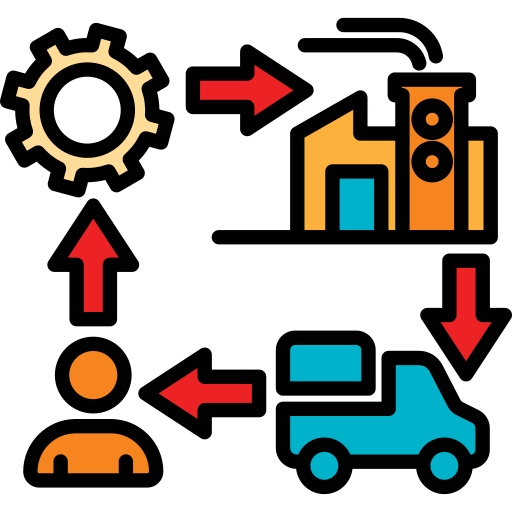 Companies that buy farm raw materials should start by understanding their supply chain. First, calculate the product carbon footprint or the footprint of the whole company. Find the main sources of emissions and the raw materials with the largest share of Scope 3 emissions. Only then can you plan sensible action with suppliers.
The next step is talking to farmers and suppliers about real barriers. Regenerative farming needs knowledge, time and often investment. If you expect farmers to change their practices, consider technical support, longer contracts, pilot projects or incentives. Without them, the farm carries all the risk. If your company sets SBTi targets in the food or farm sector, also check the rules for FLAG emissions.
The last step is honest reporting. Keep three things apart: actions you have taken, effects you have estimated and effects you have confirmed by measurement. Such reporting is less striking than slogans, but people trust it far more. In the long run, trust will decide the value of regenerative farming programmes.
Key points to remember
- Regenerative farming is not a single technique. It is a way to manage a farm in which soil is the key production and environmental asset.
- The main goals are soil health, water retention and more soil organic matter. They also include more biodiversity, less erosion and a more resilient farm.
- Farming can support climate action, but the effect depends on local conditions, the type of practice, how long it lasts and reliable monitoring.
- Regenerative action makes sense when it helps both nature and farm income. Without profit and support for farmers, wide uptake is unlikely.
- Companies should communicate effects with care. Specific information on practices, data and results is better than general claims of neutrality.
- Regenerative farming can help cut emissions in the supply chain. It should not replace emission cuts in the company's own operations.
Sources
Carbon farming: Making agriculture fit for 2030, study for the European Parliament, 2021: www.europarl.europa.eu
Nestlé, regenerative agriculture targets and progress: www.nestle.com